Boek
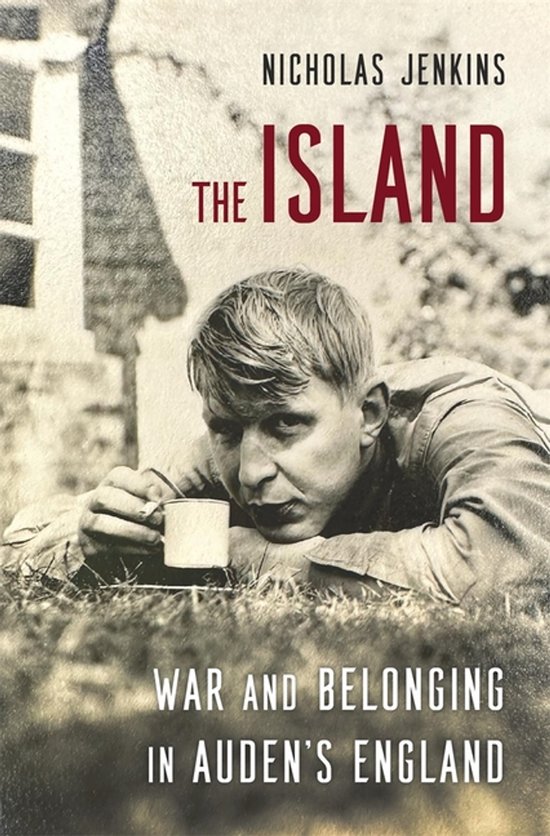
The Island - W.H. Auden and the Regeneration of England
Huidige prijs op bol.com (Nederland)
€ 29,99
Bekijk op bol.com
Boek
Huidige prijs op bol.com (Nederland)
Ontvang een e-mail bij een prijsdaling tot onder je gewenste prijs.
Je ontvangt een e-mail wanneer de prijs daalt.
We volgen de prijsontwikkeling van dit product op bol.com (Nederland).
Nicholas Jenkins explores war, love, and politics in the early works of W. H. Auden, one of the twentieth century’s most controversial and moving poets. Auden’s poems embraced both haunted meditations on World War I and lyrical visions of English national identity until, in the mid-1930s, he lost faith in the artistic potential of such myths.
A Times Literary Supplement Best Book of the Year
A Spectator Book of the Year
A groundbreaking reassessment of W. H. Auden’s early life and poetry, shedding new light on his artistic development as well as on his shifting beliefs about political belonging in interwar England.
From his first poems in 1922 to the publication of his landmark collection On This Island in the mid-1930s, W. H. Auden wrestled with the meaning of Englishness. His early works are prized for their psychological depth, yet Nicholas Jenkins argues that they are political poems as well, illuminating Auden’s intuitions about a key aspect of modern experience: national identity. Two historical forces, in particular, haunted the poet: the catastrophe of World War I and the subsequent “rediscovery” of England’s rural landscapes by artists and intellectuals.
The Island presents a new picture of Auden, the poet and the man, as he explored a genteel, lyrical form of nationalism during these years. His poems reflect on a world in ruins, while cultivating visions of England as a beautiful—if morally compromised—haven. They also reflect aspects of Auden’s personal search for belonging—from his complex relationship with his father, to his quest for literary mentors, to his negotiation of the codes that structured gay life. Yet as Europe veered toward a second immolation, Auden began to realize that poetic myths centered on English identity held little potential. He left the country in 1936 for what became an almost lifelong expatriation, convinced that his role as the voice of Englishness had become an empty one.
Reexamining one of the twentieth century’s most moving and controversial poets, The Island is a fresh account of his early works and a striking parable about the politics of modernism. Auden’s preoccupations with the vicissitudes of war, the trials of love, and the problems of identity are of their time. Yet they still resonate profoundly today.
Bekijk ook eens deze gerelateerde producten.