Ontvang een e-mail bij een prijsdaling tot onder je gewenste prijs.
Je ontvangt een e-mail wanneer de prijs daalt.
We volgen de prijsontwikkeling van dit product op bol.com (Nederland).
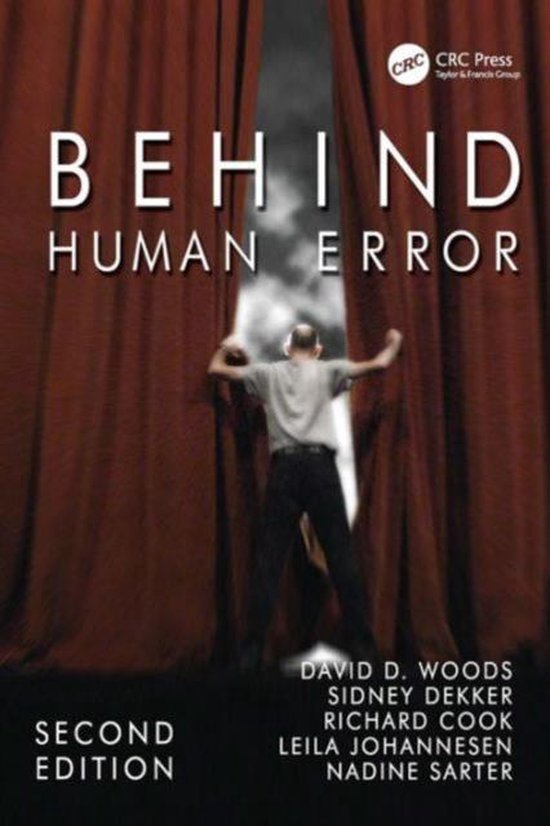
Human error is cited over and over as a cause of incidents and accidents. This book takes you behind the human error label. It begins by summarising the most significant research results. It explores how a changing understanding of accidents and an embracing of systems thinking has radically impacted ideas about human error.
Human error is cited over and over as a cause of incidents and accidents. The result is a widespread perception of a 'human error problem', and solutions are thought to lie in changing the people or their role in the system. For example, we should reduce the human role with more automation, or regiment human behavior by stricter monitoring, rules or procedures. But in practice, things have proved not to be this simple. The label 'human error' is prejudicial and hides much more than it reveals about how a system functions or malfunctions. This book takes you behind the human error label. Divided into five parts, it begins by summarising the most significant research results. Part 2 explores how systems thinking has radically changed our understanding of how accidents occur. Part 3 explains the role of cognitive system factors - bringing knowledge to bear, changing mindset as situations and priorities change, and managing goal conflicts - in operating safely at the sharp end of systems. Part 4 studies how the clumsy use of computer technology can increase the potential for erroneous actions and assessments in many different fields of practice. And Part 5 tells how the hindsight bias always enters into attributions of error, so that what we label human error actually is the result of a social and psychological judgment process by stakeholders in the system in question to focus on only a facet of a set of interacting contributors. If you think you have a human error problem, recognize that the label itself is no explanation and no guide to countermeasures. The potential for constructive change, for progress on safety, lies behind the human error label.
Bekijk ook eens deze gerelateerde producten.