Ontvang een e-mail bij een prijsdaling tot onder je gewenste prijs.
Je ontvangt een e-mail wanneer de prijs daalt.
We volgen de prijsontwikkeling van dit product op bol.com (Nederland).
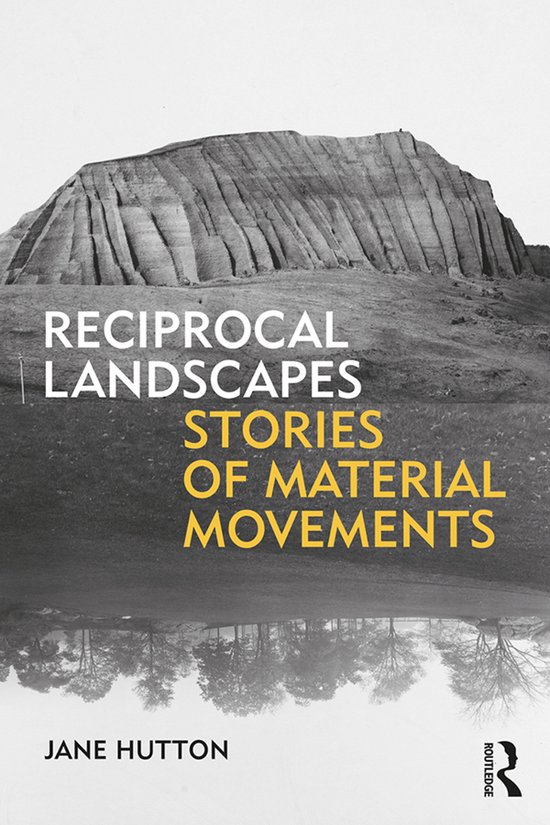
Reciprocal Landscapes: Cases in Material Movement traces five everyday landscape construction materials–fertilizer, stone, steel, trees, and wood–from seminal public landscapes in New York City, back to where they came from.
How are the far-away, invisible landscapes where materials come from related to the highly visible, urban landscapes where those same materials are installed? Reciprocal Landscapes: Stories of Material Movements traces five everyday landscape construction materials – fertilizer, stone, steel, trees, and wood – from seminal public landscapes in New York City, back to where they came from.
Drawing from archival documents, photographs, and field trips, the author brings these two separate landscapes – the material’s source and the urban site where the material ended up – together, exploring themes of unequal ecological exchange, labor, and material flows. Each chapter follows a single material’s movement: guano from Peru that landed in Central Park in the 1860s, granite from Maine that paved Broadway in the 1890s, structural steel from Pittsburgh that restructured Riverside Park in the 1930s, London plane street trees grown on Rikers Island by incarcerated workers that were planted on Seventh Avenue north of Central Park in the 1950s, and the popular tropical hardwood, ipe, from northern Brazil installed in the High Line in the 2000s.
Reciprocal Landscapes: Stories of Material Movements considers the social, political, and ecological entanglements of material practice, challenging readers to think of materials not as inert products but as continuous with land and the people that shape them, and to reimagine forms of construction in solidarity with people, other species, and landscapes elsewhere.
Bekijk ook eens deze gerelateerde producten.