Ontvang een e-mail bij een prijsdaling tot onder je gewenste prijs.
Je ontvangt een e-mail wanneer de prijs daalt.
We volgen de prijsontwikkeling van dit product op bol.com (Nederland).
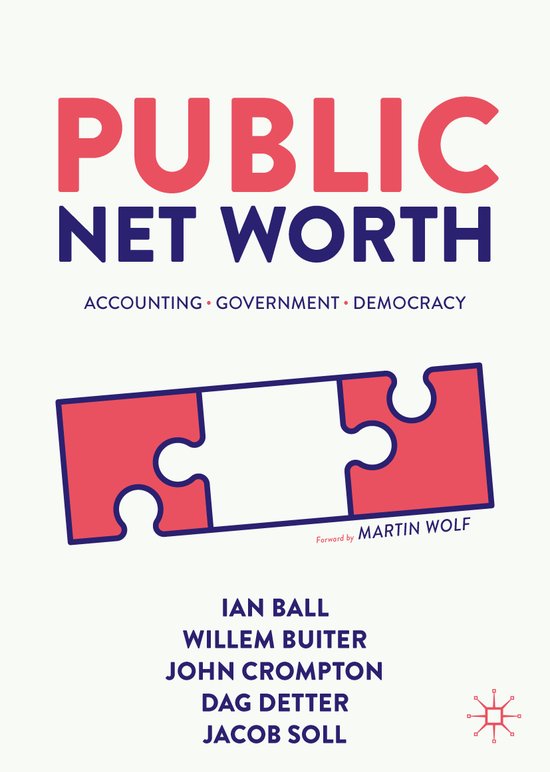
Because despite the Thatcher/ Reagan economic revolution, the largest pool of wealth in the world – a global total that is much larger than the world’s total pensions savings, and ten times the total of all the sovereign wealth funds on the planet – is still comprised of commercial assets that are held in public ownership.
We have spent the last three decades engaged in a pointless and irrelevant debate about the relative merits of privatization or nationalization. We have been arguing about the wrong thing while sitting on a goldmine of assets.
Don’t worry about who owns those assets, worry about whether they are managed effectively.
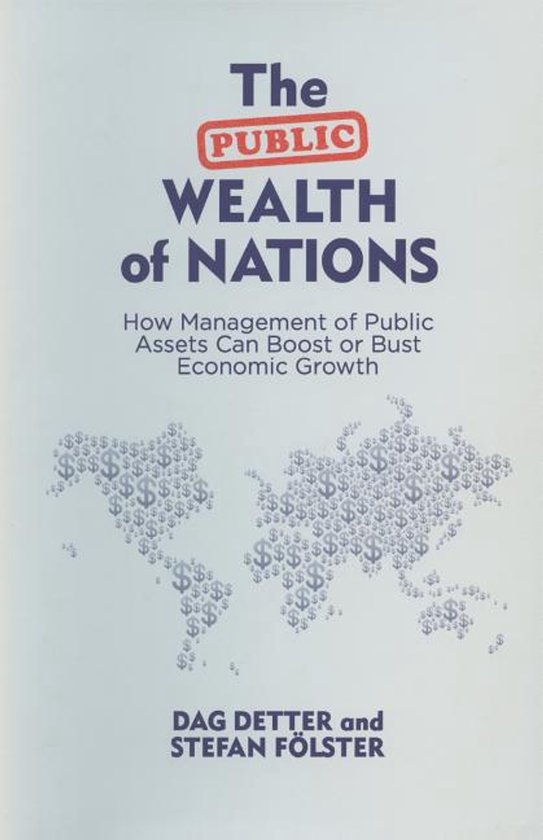
Why does this matter? Because despite the Thatcher/ Reagan economic revolution, the largest pool of wealth in the world – a global total that is much larger than the world’s total pensions savings, and ten times the total of all the sovereign wealth funds on the planet – is still comprised of commercial assets that are held in public ownership. If professionally managed, they could generate an annual yield of 2.7 trillion dollars, more than current global spending on infrastructure: transport, power, water, and communications.
Based on both economic research and hands-on experience from many countries, the authors argue that publicly owned commercial assets need to be taken out of the direct and distorting control of politicians and placed under professional management in a ‘National Wealth Fund’ or its local government equivalent. Such a move would trigger much-needed structural reforms in national economies, thus resurrect strained government finances, bolster ailing economic growth, and improve the fabric of democratic institutions.
We have spent the last three decades engaged in a pointless and irrelevant debate about the relative merits of privatization or nationalization. We have been arguing about the wrong thing while sitting on a goldmine of assets.
Don’t worry about who owns those assets, worry about whether they are managed effectively.
Why does this matter? Because despite the Thatcher/ Reagan economic revolution, the largest pool of wealth in the world – a global total that is much larger than the world’s total pensions savings, and ten times the total of all the sovereign wealth funds on the planet – is still comprised of commercial assets that are held in public ownership. If professionally managed, they could generate an annual yield of 2.7 trillion dollars, more than current global spending on infrastructure: transport, power, water, and communications.
Based on both economic research and hands-on experience from many countries, the authors argue that publicly owned commercial assets need to be taken out of the direct and distorting control of politicians and placed under professional management in a ‘National Wealth Fund’ or its local government equivalent. Such a move would trigger much-needed structural reforms in national economies, thus resurrect strained government finances, bolster ailing economic growth, and improve the fabric of democratic institutions.
This radical, reforming book was named one of the "Books of the Year".by both the FT and The Economist.
Bekijk ook eens deze gerelateerde producten.