Ontvang een e-mail bij een prijsdaling tot onder je gewenste prijs.
Je ontvangt een e-mail wanneer de prijs daalt.
We volgen de prijsontwikkeling van dit product op bol.com (Nederland).
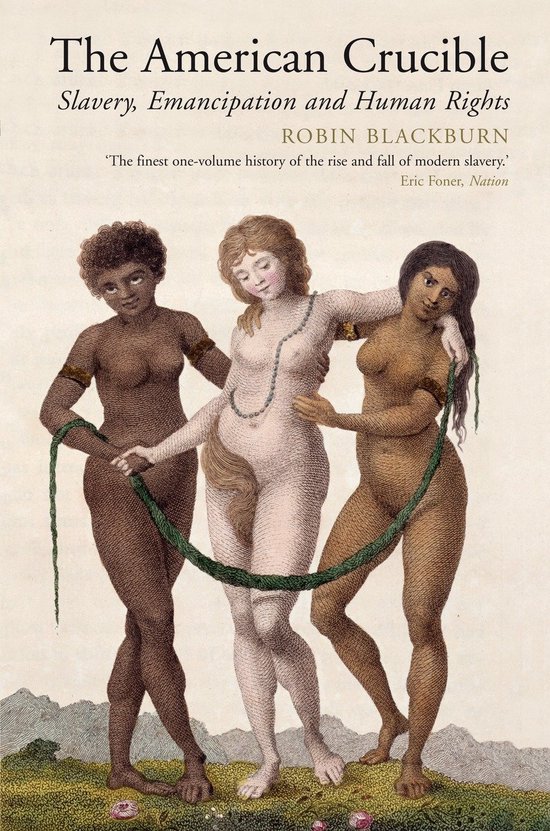
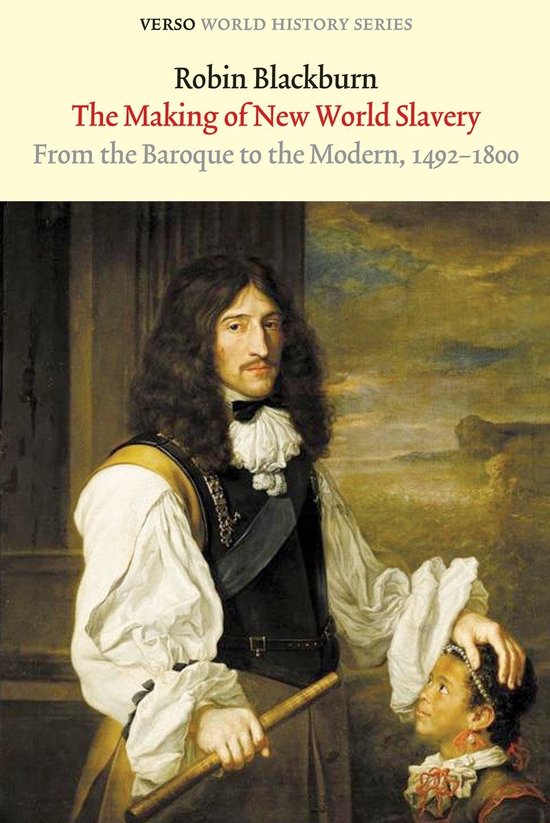
Tracing European doctrines of race and slavery from medieval times to the early modern epoch, this title argues that independent commerce, geared to burgeoning consumer markets, was the driving force behind the rise of plantation slavery. It examines the deployment of slaves in colonial possessions of the Portuguese, the English and the French.
The Making of New World Slavery argues that independent commerce, geared to burgeoning consumer markets, was the driving force behind the rise of plantation slavery. The baroque state sought-successfully-to feed upon this commerce and-with markedly less success-to regulate slavery and racial relations. To illustrate this thesis, Blackburn examines the deployment of slaves in the colonial possessions of the Portuguese, the Spanish, the Dutch, the English and the French. Plantation slavery is shown to have emerged from the impulses of civil society, not from the strategies of individual states.
Robin Blackburn argues that the organization of slave plantations placed the West on a destructive path to modernity and that greatly preferable alternatives were both proposed and rejected. Finally, he shows that the surge of Atlantic trade, predicated on the murderous toil of the plantations, made a decisive contribution to both the Industrial Revolution and the rise of the West.
Bekijk ook eens deze gerelateerde producten.