Boek
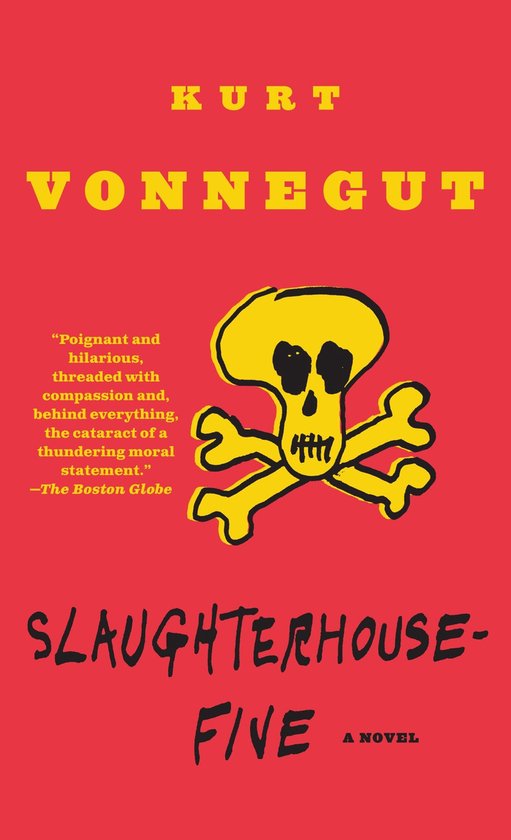
Kurt Vonnegut’s "Slaughterhouse-Five" as Historiographic Metafiction
Huidige prijs op bol.com (Nederland)
€ 13,99
Bekijk op bol.com
Boek
Huidige prijs op bol.com (Nederland)
Ontvang een e-mail bij een prijsdaling tot onder je gewenste prijs.
Je ontvangt een e-mail wanneer de prijs daalt.
We volgen de prijsontwikkeling van dit product op bol.com (Nederland).
Seminar paper from the year 2008 in the subject American Studies - Literature, grade: 2,3, University of Bamberg (Professur für Amerikanistik), course: American Historiographic Metafiction, language: English, abstract: The representation of history depends mainly on the perspective, attitude and cultural background of the beholder; which at the same time marks the major flaw of historiography. One topic or event will never be identically described by two historians, even if they are given the very same materials and sources to work with. As a consequence, historiography can only try to create an image, as true and original as possible, but is never able to depict everything that happened as it actually was in its full scope. So there were and always will be fictional elements and interpretations in the reports and writings about past events. This assumption leads us to historiographic metafiction, a style of writing that emerged during the postmodern era. If there is fiction in scholarly historiography, where is the difference between that and a novel that deals with history? This term paper will try to give an answer to that question and examine features and characteristics of historiographic metafiction, which eventually will be applied to Kurt Vonnegut’s Slaughterhouse-Five. In postmodern literature and, of course, especially in historiographic metafiction, authors tried to find new ways of telling stories and particularly representing history. I will take a closer look at the narrative frame and especially the concept of time Vonnegut used in the novel. But how is history represented in Slaughterhouse-Five? This will be the second part of the analysis that will attempt to find answers why Vonnegut wrote the novel the way he did. The third part will deal with intertextual elements in the novel. All citations from the novel and the pages indicated in brackets are taken from the edition cited below.
Bekijk ook eens deze gerelateerde producten.